If you’ve been waiting for the housing market to improve before buying, you may be focused mainly on mortgage rates. But rates aren’t the only thing that can change your buying

Dated: November 5 2024
Views: 92
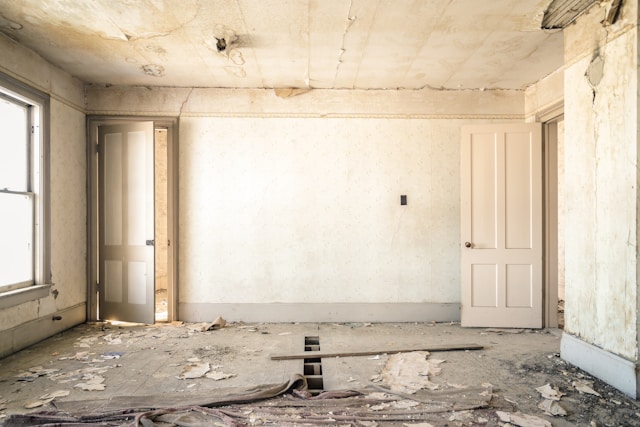
Are you on the hunt for a home but feeling like everything is just out of reach? It’s true—today’s market can feel daunting. But there’s hope, even if affordability feels like a major hurdle. One of the best options could be a fixer-upper. Let’s dig into why this approach can be your key to homeownership and how you can make it work.
In simple terms, a fixer upper is a home that’s livable but needs a bit of love to bring it up to your standards. Some might require minor cosmetic updates, like fresh paint or new flooring, while others need more significant repairs, such as a new roof or upgraded plumbing. Because of the work required, these homes tend to come with a lower price tag. According to a survey from StorageCafe, fixer-uppers are often priced around 29% less than move-in-ready homes, making them an attractive choice for budget-conscious buyers.
And it’s not just you considering this route—recent trends show more buyers exploring homes that need a bit of TLC. It’s all about getting your foot in the door!
If you’re thinking about taking on a fixer upper, here are some key tips to keep in mind:
While you can change a lot about a house, you can’t change where it’s located. Make sure you’re buying in an area you love or in a neighborhood with potential for growth. This way, even after you invest in updates, your property value could increase over time.
Renovations can often cost more and take longer than expected. Keep a cushion in your budget for unexpected repairs or upgrades that might come up along the way. Being financially prepared will save you from surprises and help keep your stress level down.
This is crucial. An inspection will give you a clear picture of the work required and help you avoid unforeseen, costly repairs later. It’s worth every penny to get an expert’s perspective on what you’re signing up for.
Think of your renovation goals in three tiers: must-haves (essential repairs), nice-to-haves (convenient upgrades), and dream-state features (luxuries you might add later). This framework will help you prioritize projects and stay within budget.
The beauty of a fixer upper? You get to create the perfect home, step-by-step, making it uniquely yours. You’re also likely to save money on the purchase, which you can then put into personalizing your space. With a bit of planning, budgeting, and creativity, you’ll be able to transform a house that needs some love into your dream home.
Real estate agents are invaluable allies in this process. We know the local market, the homes with potential, and where the best deals might be hiding. With our insight, you’re more likely to find a property that fits your budget, has room for worthwhile improvements, and ultimately turns into a home you love.
In today’s market, where the cost of homeownership can feel intimidating, a move-in-ready home might seem out of reach. But if you’re open to rolling up your sleeves, a fixer upper can be your opportunity to create a space you love without breaking the bank.

Christian Velez is a top-tier real estate professional with a 100% closing rate for both buyers and sellers. He secures the best deals through aggressive marketing, including calls, door knocking, and....
If you’ve been waiting for the housing market to improve before buying, you may be focused mainly on mortgage rates. But rates aren’t the only thing that can change your buying
When buyers search for homes online, it’s easy to focus on the newest listings. Once a house has been sitting for two or three months, many buyers automatically assume something must be wrong
If buying a home is on your radar, you’re probably watching mortgage rates, home prices, and monthly payments. But there’s another cost buyers shouldn’t overlook: homeowners
If you've been thinking about buying a home but felt discouraged over the past few years, you're not alone. Many buyers stepped back because home prices continued to climb while the number of
 OneKey® MLS required Copyright, Source of Data and Disclaimer for IDX display
Information Copyright 2026, OneKey® MLS. All Rights Reserved.
The source of the displayed data is either the property owner or public record provided by non-governmental third parties. It is believed to be reliable but not guaranteed. This information is provided exclusively for consumers' personal, non-commercial use.
The data relating to real estate for sale on this website comes in part from the
IDX Program of OneKey® MLS.
OneKey® MLS required Copyright, Source of Data and Disclaimer for IDX display
Information Copyright 2026, OneKey® MLS. All Rights Reserved.
The source of the displayed data is either the property owner or public record provided by non-governmental third parties. It is believed to be reliable but not guaranteed. This information is provided exclusively for consumers' personal, non-commercial use.
The data relating to real estate for sale on this website comes in part from the
IDX Program of OneKey® MLS.
33. Required DMCA Notice
The Digital Millennium Copyright Act of 1998, 17 U.S.C. §512, the DMCA, provides recourse for copyright owners who believe that material appearing on the Internet infringes their rights under U.S. copyright law. If you believe in good faith that any content or material made available in connection with our website or services infringes your copyright, you (or your agent) may send us a notice requesting that the content or material be removed, or access to it blocked. Notices must be sent in writing by email to DMCAnotice@MLSGrid.com. The DMCA requires that your notice of alleged copyright infringement include the following information: (1) description of the copyrighted work that is the subject of claimed infringement; (2) description of the alleged infringing content and information sufficient to permit us to locate the content; (3) contact information for you, including your address, telephone number and email address; (4) a statement by you that you have a good faith belief that the content in the manner complained of is not authorized by the copyright owner, or its agent, or by the operation of any law; (5) a statement by you, signed under penalty of perjury, that the information in the notification is accurate and that you have the authority to enforce the copyrights that are claimed to be infringed; and (6) a physical or electronic signature of the copyright owner or a person authorized to act on the copyright owner\'s behalf. Failure to include all of the above information may result in the delay of the processing of your complaint.
Show More...